Beyond the Thesis With Papa PhD
Real PhDs. Real Journeys. Beyond Academia.
Listen on:








Episodes
Thursday Dec 30, 2021
Thursday Dec 30, 2021
Télécharge la "Boîte à outils pour le doctorat" maintenant !
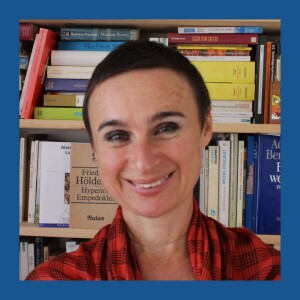
Cette semaine, j'ai le grand plaisir de partager avec toi un des épisodes les plus écoutrés de 2021 – ma conversation avec Martha Boeglin à propos de la bête noire de beaucoup de thésards et thésardes – la rédaction de thèse, notamment les pièges qu'elle peut nous tendre et les tactiques et stratégies pour les éviter ou pour se débloquer.
Ce que tu apprendras dans cet épisode :
Comment se passe un doctorat en sciences humaines
Écrire sa thèse commence par lire - techniques et stratégies de lecture
L'écoute active en colloque doctoral comme méthode mise en place d'un sujet de thèse qui n'a pas encore pris forme
L'angoisse de la page blanche - causes et solutions
Écran vs papier est-ce qu'il faut en privilégier un par rapport à l'autre ? Et pourquoi pas s'enregistrer ?
L'intérêt de participer à des ateliers d'écriture créative
Tu aimes Papa PhD ? Laisse-moi un commentaire ici - une seule phrase suffit ! Et inclus ton identifiant Twitter – comme ça je pourrai te remercier personnellement !
Lorsqu’elle a voulu rédiger sa thèse, Martha Boeglin s’est vue paralysée durant de longs mois par l’angoisse de la page blanche. Incapable d’écrire, elle s’est intéressée au phénomène de l’écriture. Elle a alors découvert que les blocages sont normaux - et qu’il existe des techniques d’écriture créatives pour les dépasser. Plus : certaines techniques d’écriture recèlent une puissance presque magique. Sa passion pour les techniques d’écriture créative était née. Avec une double conséquence : d’abord, une fois les blocages dissipés, Martha a rédigé sa thèse dans une vague d’euphorie. Ensuite, son titre de docteur en poche, elle a créé en 2002 les ateliers d'écriture Scriptoria. Leur but ? Faciliter la rédaction d'une thèse : quand on connait les techniques adaptées, alors rédiger n'est plus une corvée - ça peut même devenir une source de joie. Or, c’est dans la joie qu’on est au sommet de ses performances.
Merci Martha Boeglin !
Si cet entretien avec Martha Boeglin t'a plu, fais-lui en part en cliquant sur le lien ci-dessous et en lui laissant un message sur Twitter :
Clique ici pour remercier Martha Boeglin sur Twitter !
Clique ici pour partager avec David le principal message que tu retiens de cet épisode !
La perle de sagesse de Martha :
« C'est là que j'ai découvert un énorme tabou à l'université, à savoir que, au moment d'écrire, tout le monde souffre – même les professeurs les plus intelligents, même les auteurs les plus chevronnés. Écrire est difficile, mais c'est un tabou à l'université. Ces difficultés d'écriture, on n'en parle pas ou très peu, ce qui fait que des jeunes, des étudiants, des doctorants qui sont en proie à des blocages peuvent en arriver à douter de leur capacité, de leur intelligence, voire à abandonner. Donc j'ai découvert que mon problème avait un nom: blocage, angoisse de la page blanche. J'ai découvert que l'angoisse de la page blanche est normale, qu'elle fait partie du processus – j'ai envie de dire naturel – de la rédaction, pas de quoi s'inquiéter, pas de quoi se remettre en question. Surtout, pas de quoi laisser tomber. »
Les ressources de cet épisode :
Martha Boeglin | LinkedIn
Martha Boeglin | Twitter
Scriptoria | Scriptoria.org | Groupe Facebook | Youtube
Tu aimeras aussi ces épisodes :
Boîte à outils pour les études doctorales – Mon cheminement : PapaPhD.com/37
Raphaël Civade – Vivre et gérer le rebond professionnel en tant que PhD : PapaPhD.com/145
Ilhame Ameqrane – Être docteur.e en entreprise : PapaPhD.com/125
Jennifer Saniossian – La recherche action en sciences de gestion : PapaPhD.com/131
Nouveauté - Sponsors
J'ai créé sur le site web une nouvelle page où je partagerai avec toi les ressources que j'utilise et que je recommande en tant que producteur et animateur de Papa PhD.
Je considère ces ressources et ces services des sponsors de Papa PhD et j'ai préparé avec eux des offres exclusives pour tous les audit...
Thursday Dec 23, 2021
Thursday Dec 23, 2021
Get the Papa PhD Career Readiness Tool kit !
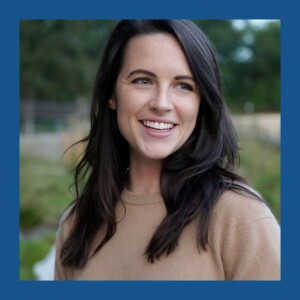
Warning: Please note that this episode mentions different mental health issues, including suicidal ideation.This week, given that this holiday season might be particularly difficult for some of you, I'm having a rerun of a great conversation around mental health in graduate school I had in Season 1 of the podcast with Susanna L. Harris. I hope it will help those of you who are struggling or who have friends or close ones who are.When we look around us, it’s easy to think everyone else is doing fine and has a picture perfect life. It’s easy to feel like your peers are better than you, more successful, having a better time. But you’d be surprised… In today’s stressful day-to-day, in particular in graduate school, more people than you imagine are struggling with anxiety and depression.In part one of this week’s episode of Papa PhD, Susanna Harris will be sharing with you her personal experience dealing with depression during her PhD and the lessons this experience has brought her.
Susanna L Harris, PhD, believes clear and transparent communication builds communities. Susanna loves creating spaces for people to understand each other and share their passions, whether that be about science and technology or mental health and wellness. While earning her PhD in microbiology and immunology at the University of North Carolina at Chapel Hill, Susanna founded PhD Balance to empower graduate students to thrive in academia.⠀⠀⠀⠀⠀⠀⠀⠀⠀⠀⠀⠀⠀⠀⠀⠀⠀⠀Susanna translates cutting-edge research into accessible and engaging materials for professional and public audiences. Through real-world experience and professional training in written, oral, and digital communication, Susanna confidently speaks to rooms of 5-to-500. Susanna approaches scientific outreach, whether to investors or kindergartners, through the lens of inquiry-based learning; through charisma and compassion, she can persuade others to reevaluate their beliefs and opinions towards new technologies and divisive world challenges.Susanna is the Manager of Engagement and Communications at Xontogeny, managing interactions with key stakeholders and leading communication strategies to optimize value of collaborations and support of entrepreneurs and management teams of life science startups. She earned her BS in microbiology at the University of Iowa and her PhD in microbiology and immunology at the University of North Carolina at Chapel Hill.
What you’ll learn about in this episode:
The importance of finding undergrad and graduate programs in domains that interest youHow to reason you way through impostor syndrome in graduate school How to deal with negative self-talk and with negative talk coming from othersThe importance of getting specialized help if you’re struggling, especially if you’re dealing with mental health issuesWhy you should have someone who you can safely share your struggles and your worries with during graduate schoolHow knowing your yearly mood cycle can help you keep balance
This episode’s pearls of wisdom:
“Do what you think success looks like.”“Things that support people’s mental health are things like having a routined schedule, having very clear goals, then metrics by which to meet them, a clear understanding of expectations, family, friends, loved ones…”“Going back to the idea of taking care of myself – if you have a pet you don’t have a choice of not getting up in the morning, you don’t have a choice of staying in your house all day long. And things like – they have to eat twice a day, so I should probably eat at least twice a day… and companionship.”“Those pieces that we tell people, that sound so fluffy, like “have a support system” or “get enough sleep”, or “be introspective” – those are often the hardest, but they really are the pieces that matter.”
Thank you, Susanna!
If you enjoyed this conversation with Susanna L. Harris,
Monday Dec 20, 2021
Monday Dec 20, 2021
Welcome to the PhD Dojo!
In the 4th installment of the "First Year PhD" series, I share with you some mindset advice for making sure you have a healthy start to your PhD adventure.
Below, you'll find the full – edited to be read – transcript of the live taping of this episode.
VIDEO
https://youtu.be/zFtI_3QsMZo
FULL TRANSCRIPT
Hi ! Welcome to the PhD Dojo. Today's subject - Show up
If you've been following this series and the blueprint I've been laying out for you, at this point, you've charted your ideal journey, you've started to assemble your PhD village and you've made sure all important communication channels are open for you.
So, if you charted your map, What you have to do now is - start at point A and try your best to hit the milestones you set for yourself
Your PhD is going to be a long endeavour, and the satisfaction of ticking those checkboxes will be your main fuel along the way
But… Allow for corrections and changes. THEY. WILL. HAPPEN. And it’s part of the process.
The important thing is : Don’t let them bring you down.
Just breathe, collect yourself, and Recalculate your route.
And remember – you’re not alone ! make use of the communication channels and of your village to help you race your new path.
Set-backs are not an expression of your worth (or lack of it) as a researcher. If they trigger your impostor feelings – which is probable – remind yourself that you deserve to be where you are and that they’re part of the growth process that is graduate school.
Everyone faces them – your peers, your seniors… So actually, in a way, they just mean you’re part of the club, now.
Now… I just mentioned the impostor phenomenon as a side-effect of hitting stumbling blocks in grad school, but another pitfall they can send you into is - Tunnel Vision
It’s easy to get lost in your research, especially if things are not going as planned. You can start shutting down different aspects of your personal life thinking you’ll then be able to focus only on your research and fix whatever is not working.
This is a trap! And no matter what’s happening on the research side, you should NEVER:
Overlook your social life or health habits or
Over-identify with your results
Always keep the big picture in mind. Attend seminars and events in other departments. Keep an eye on careers people in your field are pursuing, and think of what you could be doing on the side to increase the chances of landing your dream job down the road.
And this is it for this week’s PhD Dojo! I hope application season is going well and that this advice is helping you in your journey.
Looking forward to being in your ears !
If you enjoyed this episode, let me know by clicking the link below and leaving me a message on Twitter:
Click here to share your key take-away from this interview with David!
You might also like the following episodes:
PhD Dojo – First Year PhD - Avoiding the Pitfalls
PhD Dojo – First Year PhD - Don't Go it Alone
PhD Dojo – First Year PhD – Staying Healthy Within and Without
Natalia Bielczyk – Figuring Out Where You Fit in the Job Market as a PhD
Thursday Dec 16, 2021
Thursday Dec 16, 2021
Contribue à la production de Papa PhD sur Patreon !
Ou ravitaille David en café :)
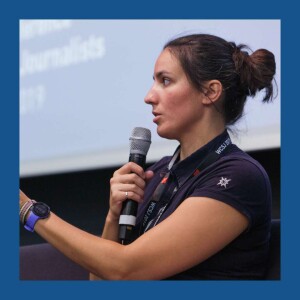
Grâce à un problème technique pendant mon direct avec Viviane Lalande, des chaînes Scilabus et Sci+, qui m'a donné une voix à la Barry White, cette semaine tu as le droit à un « Editor's Cut » de son entrevue.
Au menu, le trajet académique de Viviane, la « origins story » de sa passion pour la communication scientifique et des conseils sur comment intégrer des aspects de communication à sa recherche. Des histoires, des conseils et beaucoup d'énergie positive.
J'espère que tu vais aimer ça!
VIDÉO
https://www.youtube.com/watch?v=VxlehF5sXgY?sub_confirmation=1
Viviane Lalande a obtenu un diplôme d’ingénieure en génie mécanique de l’Université de Technologie de Belfort Montbéliard en France, une maîtrise recherche (système Québécois) en génie biomédical ainsi qu’un doctorat en génie mécanique spécialisé en biomécanique de Polytechnique Montréal au Canada.
Depuis 2010, elle se passionne pour la communication scientifique et notamment à rendre passionnants des sujets d’apparence inintéressants !
En 2013, Viviane a fondé la chaîne “Scilabus”, où elle donne vie à sa passion par le biais de vidéos scientifiques. À ce jour, Scilabus est la chaîne francophone de vulgarisation scientifique en “sciences dures”, tenue par une femme, ayant la plus grande envergure, avec plus de 400 000 abonnés.
En conjonction avec cette activité de vidéaste, en septembre 2018, Viviane a publié un livre destiné à un public adulte et curieux intitulé “le monde a des racines carrées” aux éditions de l’Homme et qui a été coup de coeur de Renaud Bray (équivalent québécois de la Fnac).
Elle vient également de conclure 4 ans de collaboration à Radio Canada dans l’émission “Moteur de recherche”.
En dehors de ces activités de création de communication scientifique, Viviane forme également ceux ou celles qui souhaitent devenir de meilleur.e.s communicateur.rices par l’intermédiaire de formations, de consultations privées, d’un cours à Polytechnique Montréal ou encore par le biais de Sci+ – sa nouvelle chaîne YouTube qui rassemble de nombreux conseils liés à la création de vidéos de science pour l’Internet.
Les ressources de cet épisode :
Vivianne Lalande | Twitter
Vivianne Lalande | Instagram
Vivianne Lalande | LinkedIn
Chaîne Scilabus |YouTube
Chaîne Sci+ | YouTube
Merci Vivianne !
Si cet entretien avec Vivianne Lalande t'a plu, fais-lui en part en cliquant sur les liens ci-dessous et en nous laissant un message :
Clique ici pour remercier Viviane sur Twitter !
Clique ici pour partager avec David le principal message que tu retiens de cet épisode !
Télécharge la "Boîte à outils pour le doctorat" maintenant !
Nouveauté - Sponsors
J'ai créé sur le site web une nouvelle page où je partagerai avec toi les ressources que j'utilise et que je recommande en tant que producteur et animateur de Papa PhD.
Je considère ces ressources et ces services des sponsors de Papa PhD et j'ai préparé avec eux des offres exclusives pour tous les auditeurs du podcast.
Clique sur le bouton ci-dessous et rends-leur visite!
Visite les sponsors de Papa PhD !
Tu aimeras aussi ces épisodes :
Raphaël Civade – Vivre et gérer le rebond professionnel en tant que PhD : PapaPhD.com/145
Ilhame Ameqrane – Être docteur.e en entreprise : PapaPhD.com/125
Jennifer Saniossian – La recherche action en sciences de gestion : PapaPhD.com/131
Luc Lapointe – Le courtage de connaissances en gestion : PapaPhD.com/135
Monday Dec 13, 2021
Monday Dec 13, 2021
Si tu trouves de la valeur dans Papa PhD et dans le contenu que je t'apporte chaque semaine, clique sur l'un des boutons ci-dessous et renvoie-moi l'ascenceur :) Maintenant, avec l'avantage supplémentaire de recevoir les tout nouveaux autocollants Papa PhD et PhD Dojo, si tu deviens supporter mensuel sur Patreon ou BuyMeACoffee !
Don sécuritaire sur PayPal
Deviens supporter sur Patreon !
Ou paye-moi un café :)
Bienvenue à l'épisode 5 du PhD Dojo en français, avec Sarah Perrier, du podcast Plog de thèse.
VIDÉO
https://www.youtube.com/watch?v=ad__qcqiDxsEst-ce qu'envoyer des dizaines de CV à tout va, ça marche comme stratégie de recherche d'emploi ? Est-ce qu'il y a une façon plus efficace de faire les choses et d'apprendre davantage dans le processus ?Aujourd'hui sur PhD Dojo, Sarah me pose des questions à propos de cette importante approche au réseautage – l'entrevue informationnelle.Nous répondons à des questions de l'auditoire et, comme toujours, nous partageons avec toi nos trucs et astuces – cette semaine, pour bâtir un réseau professionnel solide.Si tu veux m'aider dans la production de Papa PhD ou du PhD Dojo d'une façon ou d'une autre, écris-moi à david@papaphd.com et parlons-en!Bonne écoute ! Et bons partages !
Les ressources de cet épisode :
David Mendes | LinkedInDavid Mendes | InstagramSarah Perrier | LinkedInSarah Perrier | InstagramPlog de Thèse | Podcast
Au plaisir de se retrouver entre tes deux oreilles !
Si cet épisode t'a plu, fais-nous en part en cliquant sur les liens ci-dessous et en nous laissant un message :Clique ici pour remercier Sarah Perrier sur Twitter !Clique ici pour partager avec David le principal message que tu retiens de cet épisode !
Nouveauté - Sponsors
J'ai créé sur le site web une nouvelle page où je partagerai avec toi les ressources que j'utilise et que je recommande en tant que producteur et animateur de Papa PhD.Je considère ces ressources et ces services des sponsors de Papa PhD et j'ai préparé avec eux des offres exclusives pour tous les auditeurs du podcast.Clique sur le bouton ci-dessous et rends-leur visite!
Visite les sponsors de Papa PhD !
Tu aimeras aussi ces épisodes :
Rester en santé au doctorat (sous-titré) : PapaPhD.com/146Quels chemins mènent doctorat : PapaPhD.com/132Spécial Halloween - : PapaPhD.com/136Zotero vs Mendeley - : PapaPhD.com/138
Thursday Dec 09, 2021
Thursday Dec 09, 2021
Get the Papa PhD Career Readiness Tool kit !
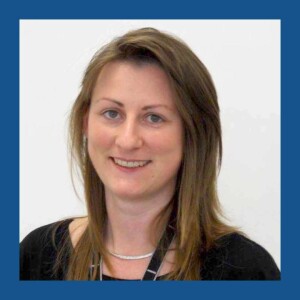
This week on Papa PhD, I'm sharing my conversation with scientific writer and amazing human behind the Biomed Badass website – Vicky Sherwood.During our conversation, Vicky shared great advice based on her own career transition experience from academia into industry, but also on her experience helping other people make the jump.So, be sure to have pen and paper at hand for this one – there are a lot of gold nuggets in there you'll want to remember!
VIDEO
https://www.youtube.com/watch?v=Uul2wj5kJfo?sub_confirmation=1Dr Victoria (Vicky) Sherwood is an Expert Scientific Writer at Novartis in Dublin, Ireland. Prior to transitioning to the pharmaceutical industry, Vicky was a Principle Investigator, running a skin cancer research lab at the University of Dundee, UK.In her current role at Novartis, Vicky writes medical communications that disseminate the results of clinical trials, real-world evidence, and clinical opinions to the medical and scientific community. Her work supports Novartis Oncology to effectively communicate clinical research findings from their pipeline and across brands.Vicky also supports STEM professionals secure meaningful work outside academia through her website: www.biomedbadass.com. She helps academic researchers understand the non-academic job market, identify careers that align with their values and skills, network productively, prepare applications that get noticed, and interview effectively for private sector jobs.
What you’ll learn about in this episode:
The pharma project/product life-cycle and the different places scientists fit within itNever feel stuck in a pharma position – there are a lot of opportunities and directions to pivot your career once you're inThe importance of finding higher-ups that will champion you and your career development goalsWhy you should put yourself out there, socially and ask yourself "who should I be talking to next?"Defining 3 positive messages about your career goals and work-related interests and reinforcing them in your conversationsHow informational interviews can teach you the language that will make you shine in your next job interview"Job boards are just candidate magnets" – you need to follow a multi-channel approach to finding your jobDon't forget your alumni network!
Thank you, Vicky Sherwood!
If you enjoyed this conversation with Vicky, let her know by clicking the link below and leaving her a message on Twitter:Send Vicky Sherwood a thank you message on Twitter!Click here to share your key take-away from this interview with David!
This episode’s resources:
Vicky Sherwood | TwitterVicky Sherwood | LinkedInBiomed Badass | Website
You might also like the following episodes:
David Giltner – Reconciling the Research and the Development MindsetMrim Boutla – The Pillars of Career Readiness for PhDsAlana Rister – Marketing Your Research Skills After Your PhDNatalia Bielczyk – Figuring Out Where You Fit in the Job Market as a PhDAs always, if you find value in Papa PhD and in the content I bring you every week, click on one of the buttons below and send some of that value back to me by becoming a supporter on Patreon or by buying me a coffee :) Now with the added perk of receiving the brand new Papa PhD and PhD Dojo stickers!
Support the show on Patreon !
Or buy me a coffee :)
Monday Dec 06, 2021
Monday Dec 06, 2021
Welcome to the PhD Dojo!
This week, I'm bringing you part four of the PhD Dojo series on tools and strategies to make the best out of your PhD experience. Today – Staying Healthy Within and Without, what three habits you need to nurture to stay balanced during grad school.
Below, you'll find the full – edited to be read – transcript of the live taping of this episode.
VIDEO
https://youtu.be/x9pwypEsluQ?sub_confirmation=1
FULL TRANSCRIPT
Welcome to the third installment of the PhD Dojo series titled “1st Year PhD”, where I share my mistakes, and lessons learned during my PhD.
In the last episode, I talked about building a village around you, a network of people and resources to help you with the obstacles and difficulties that are sure to come during your PhD. A community to make your experience of the day-to-day as a researcher the best possible.
This week, I’m going to talk about the internal journey – I’m going to share three habits you need to develop to make sure your body and mind stay healthy throughout grad school.
And at the end, I will share one mental obstacle that I dealt with, especially during the first year of my PhD, that a lot of us go through, and that, in the extreme, can undermine your whole PhD experience and even your health – especially your mental health.
So, the first habit I’m going to share with you, besides eating well and hydrating, is to move – include sports in your routine, or the physical activity of your choice. For me, it was Aikido and intramural sports. And the benefit they brought me was twofold: physical fitness and a community, social interactions outside the lab. Put it on your schedule and don’t question it – in the end, you’ll see it was time well invested, not lost.
The second habit has to do with staying balanced within. For me, aikido also played a role in this aspect, but for you it can take different forms – yoga, meditation, journaling, knitting, climbing. The day-to-day of the PhD will put strain in your concentration and focus. You need to have a time in the day, or in the week, where you hit the reset button and become centered and balanced, and ready to tackle your research having dissipated any brain fog or fatigue.
On this point – I’d really love to know what is YOUR goto habit to hit that reset button and how often you do it! Share it in the comments section! I’m sure people will appreciate having new strategies to try!
The third habit that is key to a healthy and fulfilling PhD journey is keeping communication channels with friends, family, and mentors open at all times. This was a challenge for me, in part, because I was an international student. My advice is – put as much energy and intent into it as possible – and it’s so easy today – everyone has Zoom, WhatsApp, Facetime… What you must avoid at all costs is isolating yourself and cut off your mental and emotional safety net.
Now… I’m telling you all of this, because looking back, I see I could have done much better than I did.
And I told you I’d share an obstacle that a lot of us face, especially when starting your PhD – and this obstacle made me neglect these habits at the beginning of my PhD.
It was the impostor phenomenon – a persistent feeling that I wasn’t good enough, that I wasn’t as good as my peers, and even, at times, that I didn’t belong – that somehow a clerical error was made and I was mistakenly accepted into the PhD Program.
Well – I’m here to tell you two things:
First – the peers you’re comparing yourself with, there’s a high chance they’re having the exact same feelings. A lot of us experience the impostor phenomenon. There are probably workshops offered where you are about it and about how to defuse it. What I have to tell you today is – YOU applied for your program – YOU were accepted – YOU deserve to be where you are. There’s been no mistake. Now, it’s up to you to go learn what you need to learn and find out what you’ve set out to discover.
Thursday Dec 02, 2021
Thursday Dec 02, 2021
Contribue à la production de Papa PhD sur Patreon !
Ou ravitaille David en café :)
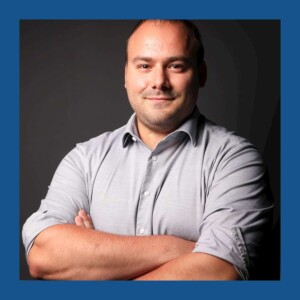
Cette semaine sur Papa PhD, je t'apporte ma récente conversation avec Raphaël Civade.
Au long de cette entrevue, dont le fil rouge est le rebond professionnel en tant que PhD sur le marché du travail, Raphaël partage son vécu et des conseils étayées sur les leçons qu'il a apprises depuis la conclusion de son doctorat.
Comme bonus, tu verras que Raphaël partage des trucs et astuces qui émanent de son expérience comme chasseur de têtes - donc sort ton bloc-notes!
Bonne écoute!
VIDÉO
https://www.youtube.com/watch?v=R2RC5AH1-Mg?sub_confirmation=1
En tant que slasheur intrapreneur et entrepreneur, les missions de Raphaël Civade interviennent à l'interface des groupes opérationnels et fonctionnels des organisations, en interne/externe et avec une dimension internationale.
Initialement scientifique-chercheur en Ecologie Moléculaire, c'est à cette période là que Raphaël s'intéresse à la structuration de l'innovation, à la conception de produits et aux stratégies des développements individuels et collectifs.
Ce sont les diverses expériences en tant que chasseur de têtes, qui lui font prendre conscience des enjeux individuels et collectifs au sein des organisations. Cette phase d'observations lui a permis à la fois d'être en contact avec une très grande variété de communautés et d'avancer sur une introspection professionnelle.
Foncièrement orienté collectif, Raphaël participe activement au sein de la communauté des Docteurs en Sciences (PhD) pour la valorisation de ces profils au sein de la société professionnelle française.
Ce que tu apprendras dans cet épisode :
Le trajet de Raphaël de la recherche en écologie moléculaire à son rôle actuel en sciences sociales
Comment rebondirg (graduellement) après le faillite de son employeur
Les mécanismes et la temporalité du procès de recrutement
Les codes à connaître avant de passer en entrevue
Le rôle de coach que peut jouer un recruteur/manager dans un processus de recherche d'emploi
Comment votre formation doctorale peut vous aider dans votre recherche d'emploi
Le facteur « PhD » - un obstacle pendant le recrutement / un atout en entreprise
Les ressources de cet épisode :
Raphaël Civade | LinkedIn
Merci Raphaël !
Si cet entretien avec Raphaël Civade t'a plu, fais-lui en part en cliquant sur les liens ci-dessous et en nous laissant un message :
Clique ici pour remercier Raphaël sur LinkedIn !
Clique ici pour partager avec David le principal message que tu retiens de cet épisode !
Télécharge la "Boîte à outils pour le doctorat" maintenant !
Nouveauté - Sponsors
J'ai créé sur le site web une nouvelle page où je partagerai avec toi les ressources que j'utilise et que je recommande en tant que producteur et animateur de Papa PhD.
Je considère ces ressources et ces services des sponsors de Papa PhD et j'ai préparé avec eux des offres exclusives pour tous les auditeurs du podcast.
Clique sur le bouton ci-dessous et rends-leur visite!
Visite les sponsors de Papa PhD !
Tu aimeras aussi ces épisodes :
Emilie L. Dubois – Marier art, science et entrepreneuriat : PapaPhD.com/120
Ilhame Ameqrane – Être docteur.e en entreprise : PapaPhD.com/125
Jennifer Saniossian – La recherche action en sciences de gestion : PapaPhD.com/131
Luc Lapointe – Le courtage de connaissances en gestion : PapaPhD.com/135

Monday Nov 29, 2021
Monday Nov 29, 2021
Contribue à la production de Papa PhD sur Patreon !
Ou ravitaille David en café :)
Bienvenue à l'épisode 4 du PhD Dojo en français, avec Sarah Perrier, du podcast Plog de thèse.
VIDÉO
https://www.youtube.com/watch?v=A9vdvcxtKnEJ'ai toujours eu la chance d'avoir de la facilité avec les langues. Donc quand je suis au doctorat, les présentations, les journal clubs, les rencontres avec des chercheurs d'ailleurs dans le monde ne m'ont posé aucun problème. Une chance, un privilège, tu peux te dire... Mais est-ce que c'est une nécessité ?Aujourd'hui sur PhD Dojo, je discute avec Sarah de l'importance de la maîtrise de l'anglais – à l'écrit, mais aussi à l'orale – au doctorat et en recherche, et on partage avec toi nos tips and tricks pour s'y mettre et pour s'améliorer.Si tu veux m'aider dans le sous-titrage d'un épisode de Papa PhD ou du PhD Dojo, écris-moi à david@papaphd.com et parlons-en!Bonne écoute ! Et bons partages !
Les ressources de cet épisode :
David Mendes | LinkedInDavid Mendes | InstagramSarah Perrier | LinkedInSarah Perrier | InstagramPlog de Thèse | Podcast
Au plaisir de se retrouver entre tes deux oreilles !
Si cet épisode t'a plu, fais-nous en part en cliquant sur les liens ci-dessous et en nous laissant un message :Clique ici pour remercier Sarah Perrier sur Twitter !Clique ici pour partager avec David le principal message que tu retiens de cet épisode !
Nouveauté - Sponsors
J'ai créé sur le site web une nouvelle page où je partagerai avec toi les ressources que j'utilise et que je recommande en tant que producteur et animateur de Papa PhD.Je considère ces ressources et ces services des sponsors de Papa PhD et j'ai préparé avec eux des offres exclusives pour tous les auditeurs du podcast.Clique sur le bouton ci-dessous et rends-leur visite!
Visite les sponsors de Papa PhD !
Tu aimeras aussi ces épisodes :
Présentation de PhD Dojo : PapaPhD.com/128Quels chemins mènent doctorat : PapaPhD.com/132Spécial Halloween - : PapaPhD.com/136Zotero vs Mendeley - : PapaPhD.com/138
Thursday Nov 25, 2021
Thursday Nov 25, 2021
Get the Papa PhD Career Readiness Tool kit !
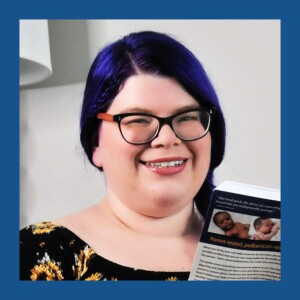
University policies... Are they set in stone? Do we get to update them, if they're unfair or archaic? If you're considering this type of question, today, you might be feeling like David facing Goliath, and tend to shrug your shoulders and just accept things as they are.This week, I'm sharing my conversation with Marie McCausland, where she lays out the roadmap of how she led a community effort that led to an increase in parental leave for postdocs at her university.
VIDEO
https://youtu.be/d83KUy73p44?sub_confirmation=1Marie McCausland is a scientist, doula, and maternal health advocate and is the founder of the Non Profit Mom Effect and DigiDoula App.She survived a near-death experience with Post-Partum Pre Eclampsia in 2017 following the birth of her son, an experience which put her life and work into perspective and changed her career trajectory entirely.Marie has shared her experience through her TedX talk in 2019, at the March for Moms in 2017 and 2019, and in dozens of talks across the US aimed at increasing awareness and promoting change.Marie has a PhD in Molecular Virology from CWRU, a Masters in Public Health from Kent State, is a CAPPA trained Postpartum Doula, and is currently working on her MBA. She has one amazing son, Jeffrey, with her dedicated husband Jeffrey McCausland.
What you’ll learn about in this episode:
How to gather a community around a common goal, among different university employee groupsWhat a postdoc representative at the university senate can doHow to start the conversation with university deciders by starting with faculty and gradually moving up the decision ladderThe power of using reference institutions as goal-setting examples for university decidersThe weight networking has in the process of getting into industryHow to access the public health spaceThe importance of advocating for yourself
Thank you, Alana Rister!
If you enjoyed this conversation with Marie, let her know by clicking the link below and leaving her a message on Twitter:Send Marie McCausland a thank you message on Twitter!Click here to share your key take-away from this interview with David!
This episode’s resources:
Marie McCausland | TwitterMarie McCausland | LinkedInMarie's TEDx talk | VideoMom Effect | FacebookDigi Doula | WebsitePitch Club | LinkedInKent State Online Masters in Public Health | Website
You might also like the following episodes:
David Giltner – Reconciling the Research and the Development MindsetKrishna Kadiyala – Are things changing for the better for women in STEM?Alana Rister – Marketing Your Research Skills After Your PhDNatalia Bielczyk – Figuring Out Where You Fit in the Job Market as a PhDAs always, if you find value in Papa PhD and in the content I bring you every week, click on one of the buttons below and send some of that value back to me by becoming a supporter on Patreon or by buying me a coffee :) Now with the added perk of receiving the brand new Papa PhD and PhD Dojo stickers!
Support the show on Patreon !
Or buy me a coffee :)